
Running your store and marketplaces as one business
How to sell on Amazon, Flipkart, Meesho and your own store without stock-outs, price clashes or reports nobody trusts.
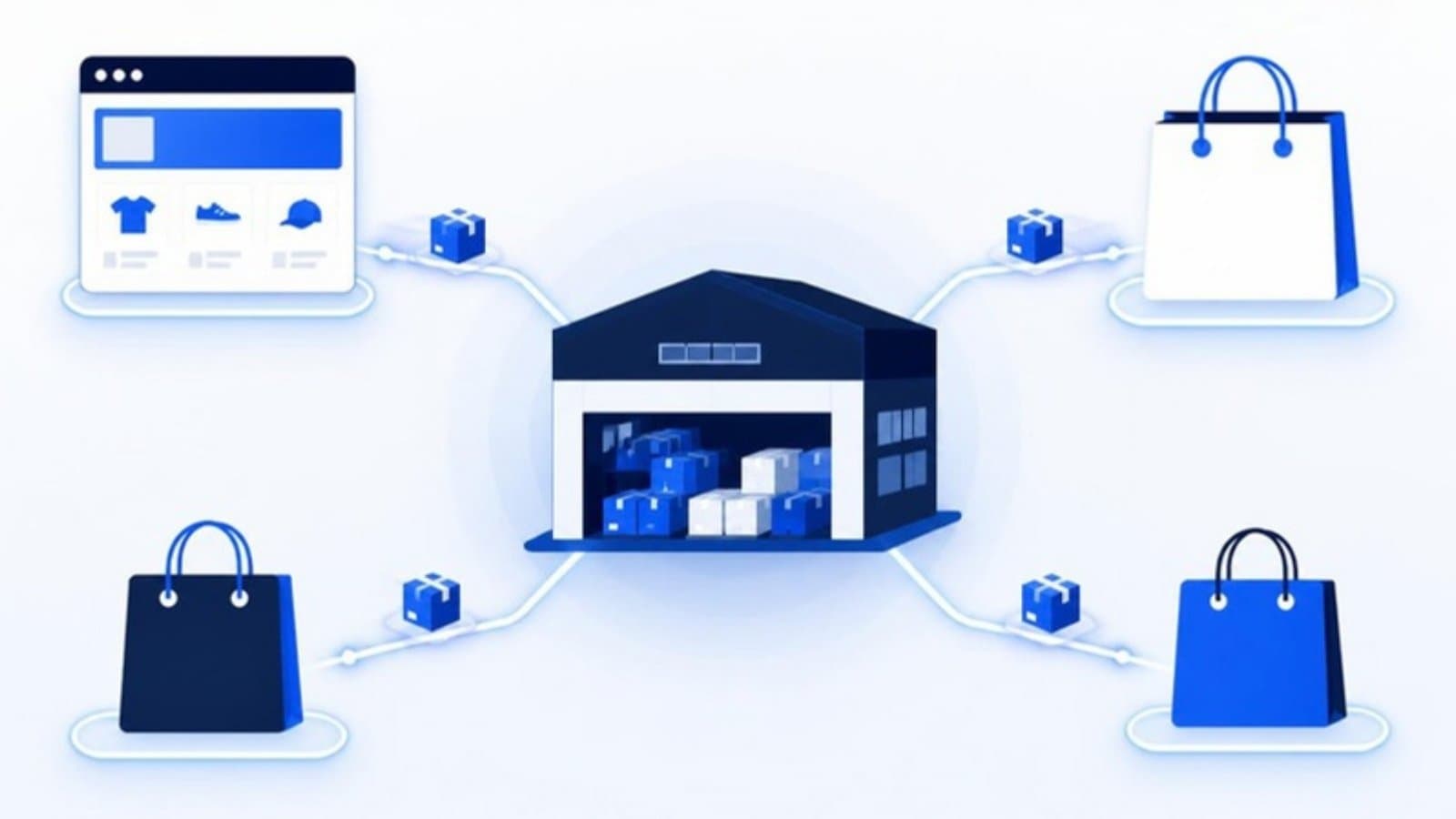
Many Indian brands sell on their own website, Amazon, Flipkart and Meesho, and often on Myntra, Nykaa or quick-commerce apps too. Each channel gets added for a good reason. But most brands end up running each one as a separate little business, with its own spreadsheet, its own stock count and its own idea of the right price.
The result is familiar: a best seller stocks out on Amazon while 200 units sit reserved for Flipkart. A price cut on one marketplace undercuts your own store. And at month-end, nobody can say which channel actually made money.
This guide shows how to run every channel as one business, in five parts.
Signs you're running channels as silos
You probably have this problem if any of these sound familiar:
Stock counts are updated by hand in each seller panel, or once a day from a spreadsheet.
You've been penalised for cancelling orders you couldn't fulfil.
The same product has different titles, photos and specs on each channel.
Each marketplace has its own person, and they compete for the same stock and ad budget.
Your reports show revenue by channel, but not profit after fees, ads and returns.
1. One inventory number
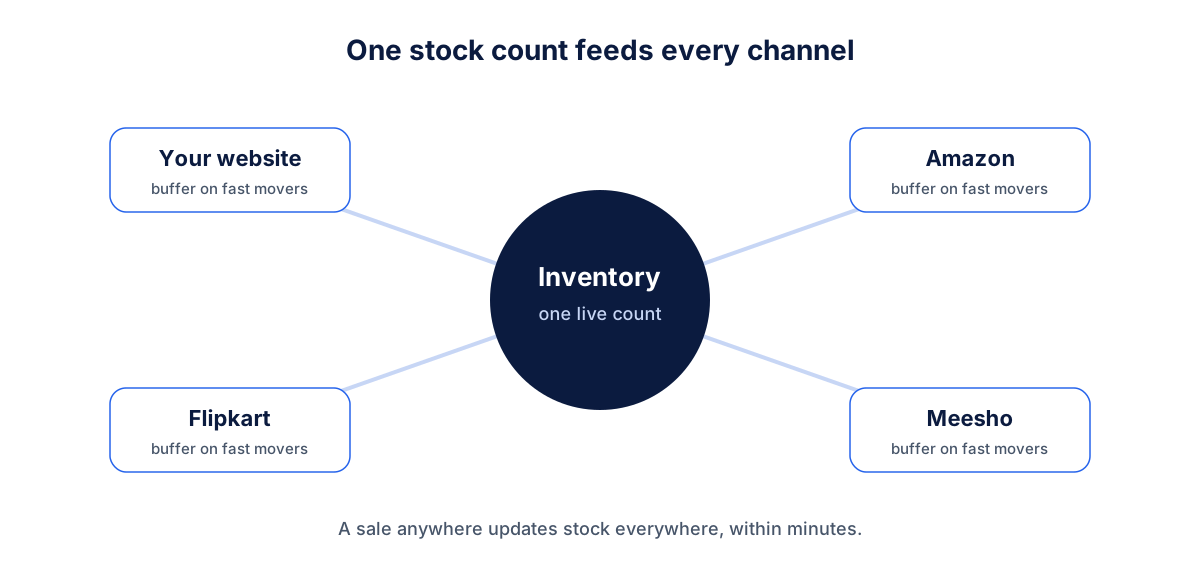
Every channel should sell from a single, live stock count. When a unit sells anywhere, every other channel sees one fewer, within minutes.
That usually means an inventory or order-management tool that connects to each marketplace and your store. Unicommerce, EasyEcom, Zoho Inventory and Shopify-based tools are common choices in India. The right one depends on your order volume, number of warehouses and whether you use marketplace fulfilment such as Amazon FBA or Flipkart Smart Fulfilment.
Two rules make a shared stock count safe:
Keep buffers on fast movers. Hold back a few units on each channel for your top sellers so a sync delay can't cause an oversell.
Protect the marketplaces first. Overselling on a marketplace leads to cancellations, which hurt your account health and ranking. A short stock-out on your own store costs less.
2. One product record
Keep one master record per product with the title, images, specifications, size chart, HSN code and long description. Then adapt it for each channel's rules: Amazon's title format, Flipkart's attributes, Meesho's simpler buyer language.
When a product changes, whether a new photo, a material update or a price, you change the master once and push it everywhere. That ends the slow drift where each channel shows a slightly different version of the same product, and it stops the "different from what was shown" returns that drift causes.
3. Channel roles, not channel silos
Channels aren't interchangeable, so give each one a job:
Marketplaces bring reach and the first purchase. Buyers already trust them, and their search traffic is huge.
Your own store brings margin, customer data and repeat orders. You own the relationship and pay no marketplace commission.
Meesho and value marketplaces suit lower price points and buyers in smaller towns, so they often need their own pack sizes or product range.
With roles agreed, plan offers around them. For example, run launch discounts where you need reach, and keep loyalty offers, bundles and subscriptions on your own store. Avoid running the deepest discount on the channel that earns you the least.
4. One price strategy
Price differences between channels are fine when they're deliberate. Marketplace fees, shipping and return rates differ, so the same selling price earns different margins.
Set a floor price for each product on each channel, below which you lose money after fees, shipping, returns and ads. Allow channel managers to move above the floor, not below it. Check marketplace price-parity rules too, as some penalise listings that are noticeably cheaper elsewhere.
5. One report, built on contribution margin
Revenue by channel is the wrong scorecard. A channel with high sales and high returns, fees and ad spend can lose money on every order.
Bring every channel's data into one dashboard: orders, returns, marketplace fees, shipping, ad spend and payouts. Then track contribution margin by channel and by product: what's left after all variable costs. That one number tells you where to put stock, ad budget and team time next month.
A practical starting point is a weekly report with five columns per channel: net sales after returns, fees, ad spend, shipping and contribution margin. Start there before buying an expensive analytics tool.
A 30-day plan to get started
Week 1: List every channel, its stock source and who manages it. Find your top 20 products by sales.
Week 2: Choose an inventory and order tool and connect your highest-volume channel first.
Week 3: Build master product records for the top 20 and push them to every channel.
Week 4: Set floor prices and launch the weekly contribution-margin report.
How we can help
We run marketplace accounts and own-store growth as one programme: listings, inventory sync, ads, pricing and reporting in one place. See our marketplace management services, or start with our step-by-step guide on how to increase sales on Meesho.
FAQ
Can I sell the same product on Amazon, Flipkart and Meesho? Yes, if you're the brand owner or an authorised seller and you meet each marketplace's category rules. Use one stock count so the same units aren't sold twice.
What's the best software to manage multiple marketplaces in India? It depends on your order volume, warehouses and fulfilment model. Common options include Unicommerce, EasyEcom and Zoho Inventory. Pick one that integrates with every channel you sell on today.
Should prices be the same on every channel? Not necessarily. Fees and return rates differ, so set a minimum profitable price per channel and check each marketplace's price-parity rules.
More on Growth & Marketing

How to reduce ACoS on Amazon without losing sales
Lower your Amazon ACoS with 9 practical fixes: set a target from your margins, cut wasted search terms, fix bids and placements, and improve the listing itself.

How to increase sales on Meesho: 12 steps that work in 2026
A practical 12-step plan to get more Meesho orders: better catalogs, smarter pricing, profitable ads, faster dispatch and fewer returns.
Choosing between B2B lead generation channels
LinkedIn, outbound, search or account-based marketing? Start from your deal size and sales cycle, not from the channel.